
“So, what do we do now?”
Last week, I had a surprising encounter that confirmed to me that we often talk about generating leads, but little about what happens next... once the prospect is there, ready to be picked.
My contact “Thierry,” not to name names, confessed to me that he was unable to clear his pipeline and start real collaborations with his prospects. He meets people, but nothing comes of it. Yet he has more prospects than he knows what to do with... In this case, the question arises, “What do we do?”
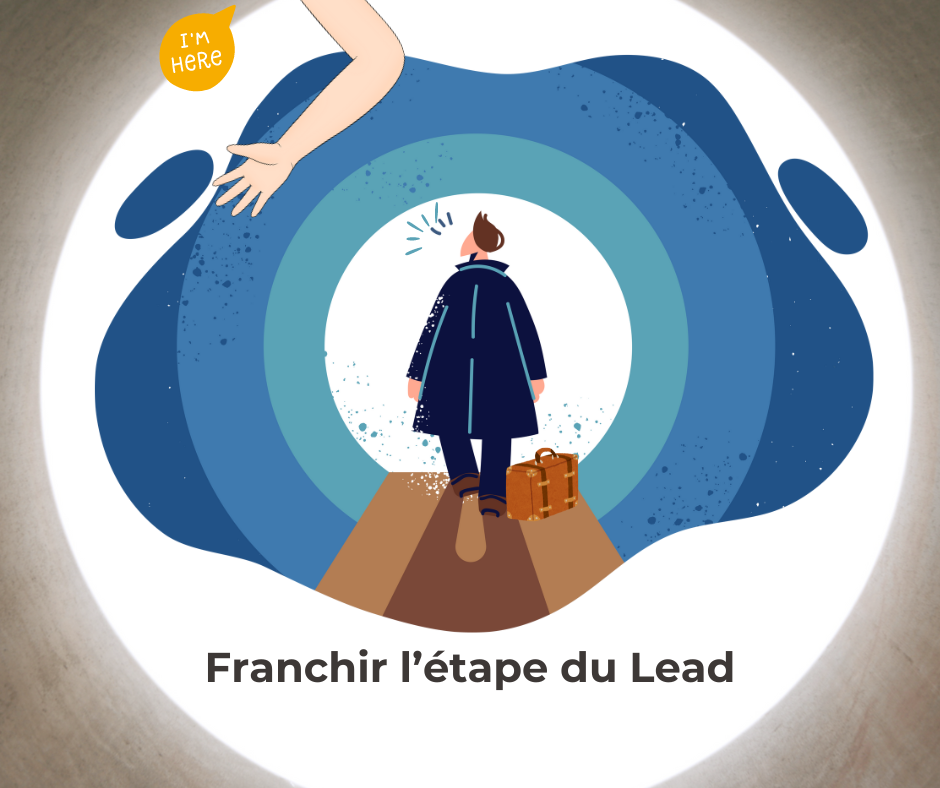
If you recognize yourself in this situation, I wrote this article for you: “Getting Past the Lead Stage.”
Crossing the Lead stage
1. Clean up
To begin with, it is essential to have a clear picture of your situation. While it may be exciting to see all your prospects vying for your attention, it is crucial not to waste your time and energy on unnecessary volume. Imagine shaking an apple tree vigorously instead of picking the apples you want. Once the apples are on the ground, you won't be able to eat them all, and there's no guarantee that the first apple you pick up will be the best one.
Too many prospects will prevent you from sorting them effectively, and you risk missing the right moment to respond. It is therefore important to avoid being distracted by leads that may not be valid. Learn to identify where your best customers come from and plan your lead volume based on your ability to process them. What's the point of having 100 leads if none of them become actual, potential customers?
2. Qualify and disqualify without shame
Once the volume of your incoming leads has stabilized, it's time to categorize them. Qualifying a lead means checking whether the prospect meets your minimum criteria to become a customer. Disqualifying a lead helps you eliminate those that could be problematic. Take romantic relationships, for example: if you don't know what you're looking for in a partner, you may search for a long time without success. Similarly, if you know what you're looking for but don't know what you can't accept, you may attract prospects who will become your worst nightmares.
Red flags also exist in business: liquidity issues, high staff turnover, a poor reference, or a lack of loyalty must be taken into account. It is up to you to decide whether you can tolerate these aspects or not. There is no shame in knowing what you want and opening and closing doors according to your needs at the time.
3. If it's the right one, show that you want this customer.
When you are sure that this is a good prospect according to your criteria, what is your initial reaction? Regardless of the method, it is crucial to demonstrate a genuine motivation to establish a connection. Everyone likes to be courted and feel important. Your prospects are no exception. To be successful, it's vital to show that you take this contact seriously and that you're convinced that a “fit” is possible. That's why rigorous follow-up by email, phone, or in person is essential, as long as it's done with vigor and openness: show that you're thinking about them and that you have a place for them in your customer base. Don't underestimate the power of enthusiasm!
4. Go beyond the famous “What can I do for you?”
Start your first contact with anything but “How can I help you?” Keep in mind that the vast majority of customers won't know how to respond. Unfortunately, this phrase is overused in retail stores these days. It has become a cliché, like an old song you hear too often on the radio. The truth is that 95% of your prospects feel uncomfortable without necessarily identifying the cause.
This is where your questioning skills come into play. Rather than making statements, it is better to ask questions. Your ultimate goal is to understand your client's motivations and needs. So how can you achieve this without asking questions? Ask relevant questions, listen carefully to the answers, and use this information to formulate appropriate solutions. Once you understand what's at stake for them, you can offer relevant solutions and say not “What can I do for you?” but rather “Here's what I can do for you”... and that's so much more powerful!
In conclusion, to convert prospects into customers, it is crucial to sort your leads, qualify them without hesitation, show genuine interest, and ask relevant questions. Adopt a structured and proactive approach so that only the most relevant prospects become your customers!